



For many credit unions, legacy core systems have served as reliable operational foundations for decades.
They have processed transactions, supported member services, and helped credit unions grow through changing economic and technological environments.
However, the financial services landscape is evolving faster than ever. Member expectations continue to rise, digital banking capabilities are expanding, and technology ecosystems are becoming increasingly interconnected.
As a result, many credit unions are discovering that the greatest risk may not be the process of modernization itself. It may be delaying modernization for too long.
While every institution has unique circumstances, there are several common challenges that emerge when aging core technology can no longer keep pace with organizational needs.
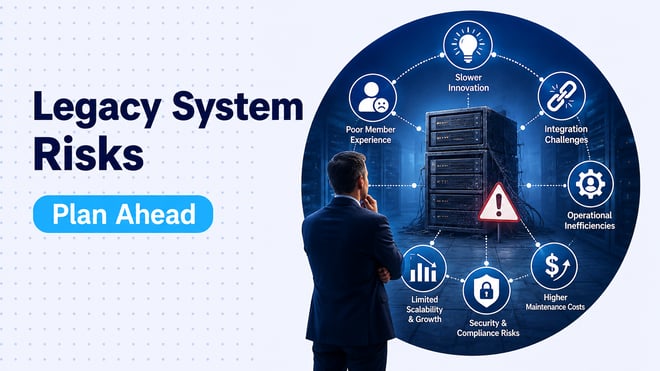
Here are seven risks credit unions should consider when evaluating the future of their core banking platform.
The Risks of Waiting
1. Slower Innovation and Product Development
Today's members expect digital experiences that are convenient, seamless, and continuously improving.
When a core system lacks flexibility, launching new products, services, or member-facing features can become a lengthy and resource-intensive process.
Whether introducing new lending options, expanding digital banking capabilities, or integrating emerging technologies, innovation often depends on the core platform's ability to support change.
Credit unions operating on aging technology may find themselves spending more time maintaining existing systems than delivering new value to members.
2. Growing Integration Challenges
Modern credit unions rely on a wide range of technology solutions to support operations and member engagement.
Digital banking platforms, lending systems, payment solutions, fraud prevention tools, analytics software, and member communication systems all need to work together.
Legacy core systems were often developed before today's integration-first environment existed.
As a result, connecting new technologies can become increasingly difficult, costly, and time-consuming.
Without a strong integration strategy and open API, credit unions may struggle to create the seamless experiences that members have come to expect.
3. Increased Operational Inefficiencies
Manual workarounds are often one of the first signs that technology is no longer supporting operational goals.
When employees must perform repetitive tasks, enter data into multiple systems, or rely on manual processes to bridge technology gaps, productivity suffers.
These inefficiencies may seem manageable on an individual level, but their cumulative impact can be significant.
Over time, operational friction can affect employee satisfaction, service delivery, and organizational scalability.
4. Higher Technology Maintenance Costs
Many legacy systems require ongoing investments to maintain aging infrastructure, support customizations, and address compatibility challenges.
While replacing a core platform is a major decision, continuing to operate aging technology can also carry substantial long-term costs.
These expenses are not always visible in annual budgets.
They often appear through increased staff time, delayed projects, specialized support requirements, and limitations on future technology initiatives.
Evaluating the true cost of maintaining legacy systems requires looking beyond direct software expenses and considering the broader operational impact.
5. Greater Security and Compliance Pressure
Cybersecurity threats continue to evolve, and regulatory expectations remain high across the financial services industry.
While many legacy platforms continue to operate securely, older technology environments can create additional challenges when implementing modern security controls, monitoring tools, and compliance processes.
Technology leaders must balance the need to protect sensitive member information while ensuring systems remain reliable and accessible.
Modern platforms are often designed with today's security and compliance expectations in mind, making it easier to adapt as requirements change.
6. Reduced Ability to Scale and Grow
Growth creates new opportunities, but it also places additional demands on technology infrastructure.
As membership expands, transaction volumes increase, and service offerings evolve, credit unions need systems capable of supporting long-term growth.
Legacy platforms may create limitations that become more noticeable over time.
Whether opening new branches, expanding digital services, or supporting new business initiatives, technology should enable growth rather than restrict it.
A scalable technology foundation helps ensure future opportunities are not constrained by existing systems.
7. Falling Behind Member Expectations
Perhaps the most significant risk of all is the impact on member experience.
Consumers compare financial institutions not only to other credit unions but also to the digital experiences they receive from leading technology companies and financial service providers.
Members increasingly expect:
- Fast account access
- Seamless digital experiences
- Convenient self-service options
- Real-time information
- Consistent experiences across channels
When technology limitations affect the member experience, retention and growth can become more challenging.
The credit unions that continue investing in modernization are often better positioned to meet evolving expectations and strengthen member relationships over time.
Looking Beyond the Risks
The purpose of evaluating legacy technology is not to create urgency for change where none exists.
Every credit union has its own timeline, priorities, and strategic objectives.
However, understanding potential risks helps leadership teams make informed decisions about the future.
Core modernization is not simply about replacing software.
It is about creating a technology foundation that supports innovation, efficiency, scalability, and member service for years to come.
By evaluating both the benefits and risks associated with current systems, credit unions can develop modernization strategies that align with their long-term goals.
Key Takeaways
- Legacy core systems can create challenges related to innovation, integrations, efficiency, and scalability.
- Operational workarounds often become more costly over time.
- Member expectations continue to evolve, increasing the importance of modern technology foundations.
- Modernization planning allows credit unions to evaluate options before technology limitations become significant obstacles.
- Understanding the risks of staying on legacy systems helps leadership teams make more informed strategic decisions.

Frequently Asked Questions
What is considered a legacy core banking system?
A legacy core banking system is an older platform that may rely on outdated technology, require significant maintenance, or lack the flexibility needed to support modern integrations and digital services.
Why do credit unions stay on legacy core systems?
Many legacy systems continue to perform essential functions reliably. Credit unions often remain on these platforms because of operational familiarity, resource considerations, or concerns about conversion complexity.
What are the biggest risks of delaying core modernization?
Common risks include increasing maintenance costs, limited integration capabilities, operational inefficiencies, reduced scalability, and difficulty meeting evolving member expectations.
How do legacy systems affect digital banking initiatives?
Legacy platforms may make it more difficult to implement new digital services, integrate third-party solutions, and deliver seamless member experiences across channels.
When should a credit union begin evaluating modernization options?
Credit unions benefit from exploring modernization strategies before technology limitations create operational challenges. Early planning provides greater flexibility and allows credit unions to align technology decisions with long-term goals.
Start Planning for What's Next
Whether your credit union is actively evaluating a new core platform or simply assessing future technology needs, understanding the risks associated with legacy systems is an important first step.
Learn how FLEX Credit Union Technology helps credit unions prepare for the future through modern technology solutions designed specifically for the unique needs of credit unions.